Buy with Confidence: A Structural Survey Tells the Real Story
Buying a home is exciting, it’s a milestone, a dream, and often the biggest purchase in a person’s life. But while most people spend their energy comparing locations, interior layouts, tile colors, and garden size, very few think about the one thing that determines whether the house is truly safe and worth the price. Its structural integrity.
That’s where a structural survey becomes not just helpful, but essential.
Whether you’re a first-time buyer or an experienced investor, understanding the structural condition of a property is key to avoiding unexpected costs, ensuring safety, and negotiating confidently. Let’s break down everything you need to know, from what a structural survey actually covers to when you absolutely need one.
Why Does a Structural Survey Matter Before Buying a House?
When you walk through a house, you see the surface: the fresh paint, tidy garden, polished floors. But surface-level beauty can hide deeper, serious issues that only a trained structural engineer can detect.
Many buyers assume a mortgage valuation or a basic home inspection is enough. Unfortunately, these checks are not carried out to protect you. They exist to reassure the lender that the property is worth the loan amount.
A structural survey, however, is carried out for your benefit.
It reveals issues that affect:
- The stability of the building
- The long-term safety of occupants
- The real value of the property
- Future repair and maintenance costs
- Your ability to renovate or extend the home
Structural problems often start small and invisible. Tiny cracks, minor roof damage, slight foundation movement; but they grow into expensive disasters if ignored. A structural survey exposes these issues before you commit financially, saving you from unexpected risks and potential regret.
What a Structural Survey Covers (A Closer Look)
A structural survey focuses exclusively on the elements that hold the building together. Unlike a general visual inspection, this level of assessment is deeper, more technical, and more diagnostic.
Below are the main areas examined and why each one matters.
- Foundation
The foundation is the backbone of the entire house. A strong foundation means a stable building; a weak one can lead to cracks, sloping floors, jammed doors, and expensive repairs. Engineers check for movement or settlement, subsidence, cracks, water damage and soil-related issues. Even small foundation problems can worsen dramatically over time.
- Load bearing Elements
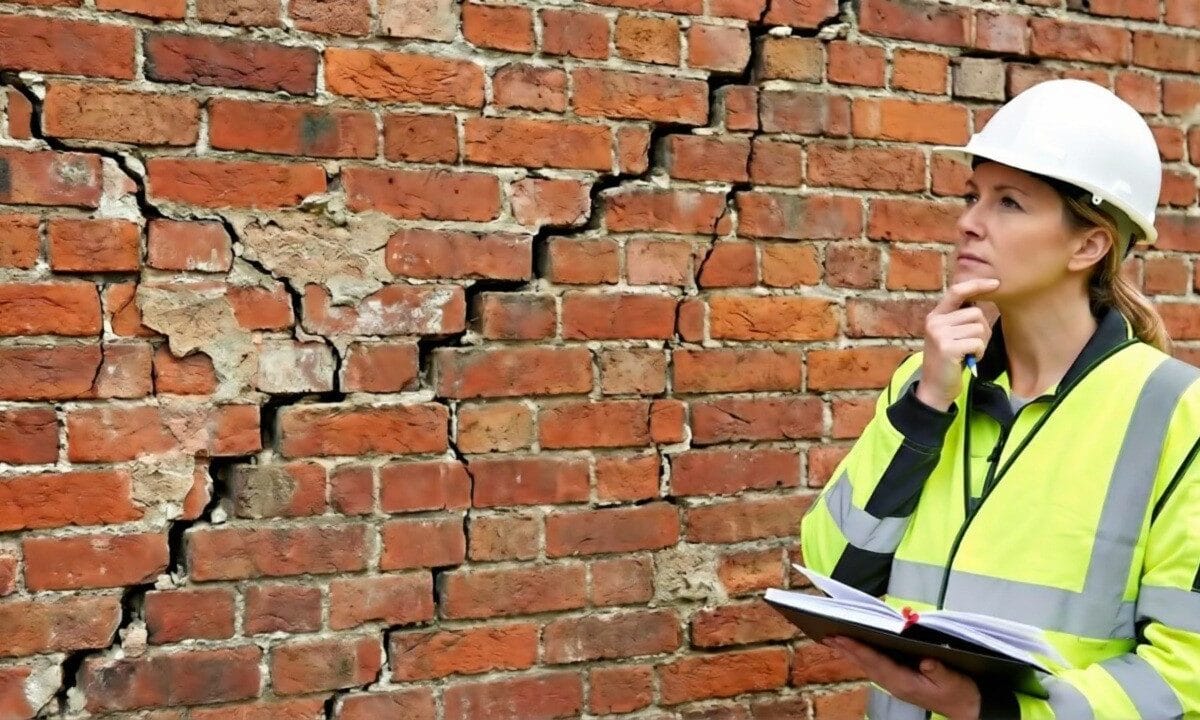
Load-bearing elements in a typical building include load-bearing masonry walls, reinforced concrete slabs, beams, and columns. A structural survey will identify any issues within these elements, including existing cracks, their root causes, and the severity of each defect. Not all cracks are dangerous or lead to catastrophic failure, but understanding them clearly is essential.
- Ceilings
Sagging or cracked ceilings may reveal roof structure failure, overloaded upper floors, water leaks and timber deterioration. Ceilings often give early warnings of roof problems.
- Roof Structure
Roofs are expensive to repair and essential for keeping the building dry and stable. A structural survey checks roof sagging, tile or sheet deterioration. Water damage from the roof can eventually affect walls, floors, and even the foundation.
So, what does all this mean?
A structural survey doesn’t just list defects. It uncovers what’s wrong, why it’s happening, and what should be done next. It’s a technical, thorough investigation that helps buyers make informed decisions.
Benefits of Carrying Out a Survey Before Purchase
- Avoid Expensive Surprises
Imagine buying a home only to discover months later that it needs a new roof, foundation repairs, damp-proof treatment, structural reinforcement. These are not small bills; they can run into thousands. A structural survey highlights issues early so you’re not caught off guard.
- Powerful Negotiation Tool
If the survey uncovers defects, you can negotiate a reduced price, ask the seller to fix issues, and adjust your budget for future repairs. Buyers with survey reports are in a far stronger position during negotiations.
- Peace of Mind and Safety
Your home isn’t just an investment, it’s where you and your family will live. A structurally sound home means no hidden dangers, a stable foundation, safe walls, floors, and roof. Peace of mind is worth every cent.
- Smarter Renovation Planning
Planning to extend or remodel the house? A structural survey tells you which parts of the home can support changes, what needs strengthening and what must be repaired before construction. This avoids mid-renovation surprises and costly delays.
When is a Structural Survey Required?
Not all property purchases require a full structural survey. But certain situations make it essential. Here’s when you should definitely consider one:
- When Renovating or Extending :
If you’re planning major works, a survey ensures your design is safe and feasible.
- When the Property Shows Warning Signs:
Look out for large cracks, damp patches, uneven floors, roof leaks and sticking doors or windows. These signs indicate underlying structural issues.
- When Buying an Older, Modified, Property:
Homes over 20–30 years old, or buildings that have been altered, should always be checked thoroughly.
- When You’re Concerned About Property Condition:
Even if the house looks fine, something may feel off. A survey gives clarity and expert confirmation.
- When Selling (Less Common but Useful):
Some sellers get structural surveys to show transparency and build buyer confidence.
Buying a house without understanding its structural health is a risk no one should take. A structural survey gives you a complete, expert-led picture of the home’s true condition, exposing issues, guiding renovation plans, strengthening negotiations, and ensuring long-term safety. Whether you’re a first-time buyer or adding another property to your portfolio, this simple step can save you money, stress, and years of uncertainty.